Get narcan now
Ending The Stigmaof Addiction
- Tucson, AZ
Get Local Help below.
Dangers Of Fentanyl & Treatment Resources
Call the 24/7 Arizona Opioid Assistance & Referral Line at 1-888-688-4222
Get Narcan now
Access Essential Resources in Tucson, AZ
Where Can You Get Narcan?
Naloxone (Narcan®) is a safe medication that can save someone’s life by reversing the effects of an opioid overdose. It only works on opioids, such as heroin, prescription painkillers, and fentanyl, but it is safe to use even if opioids are not present. If you are worried you or someone you know may be at risk of an opioid overdose, naloxone is available to you.
You can find information on how to use naloxone by reading the information included in the naloxone packaging, or visiting any of the following Health Department resources:
Dose of Reality: Safer Use/Harm Reduction
Opioids can harm you. That’s why we are sharing safer use tips to reduce the harm you or someone you love may experience when using opioids. While these tips won’t eliminate all dangers of opioids, they will lower your chances of an overdose, infection, or other bad outcome. The purpose of these tips is to keep people who use opioids alive and well.
Tips to protect yourself
Come up with an overdose plan. Talk to family members and friends about what they can do to help you in case of an overdose.
Naloxone saves lives. Naloxone is an overdose reversal drug. Carry it with you. Let others know you have it. A trusted family member or friend can administer naloxone to save your life. It can take more than one dose of naloxone to reverse an overdose.
It’s dangerous to take opioids when you are alone. If a trusted family member or friend is around and alert, they can look for the signs of an overdose and administer naloxone should an overdose occur. If a trusted family member or friend is not available, call Never Use Alone.
Mixing drugs is risky. Combining opioids with other drugs, including alcohol, puts you at greater risk for an overdose.
Consider your physical health. People living with asthma or other breathing problems, kidney issues, liver issues, and HIV are at high risk for an overdose.
More tips for people who are prescribed opioids
Limit your use of the medicine. Unlike antibiotics where taking the entire course of medication is necessary, you should stop taking opioids as soon as your pain subsides. Take only the dose prescribed on the schedule prescribed.
Don’t share your medicine. Opioids were prescribed to you based on your unique needs. A recommended dose for one person could be harmful to another person.
Safely store your medicine. Leaving opioids on counters or in easily accessible medicine cabinets can lead others to take your opioids without your knowledge. Store your opioids in a safe place out of reach of children and pets. The best spot is a locked box or cabinet.
Safely dispose of leftover medicine. There is no need to hang onto opioids you did not take. If your pain returns, that’s because your body likely has not fully healed and you may need other help to fully recover. Take leftover opioids to a drug drop box.
More tips for people who use other opioids
Fentanyl test strips are legal. Fentanyl test strips can be used to check for the presence of fentanyl in drugs. They are available for free at many locations in Wisconsin. Learn more about fentanyl test strips.
Injecting opioids is dangerous. Injecting opioids can increase the risk of overdose and infection. Reusing needles and supplies or sharing them with others increases the chance of a negative outcome, such as contracting hepatitis C or HIV. Not sanitizing the injection site beforehand can lead to infection. Syringe services programs provide access to sterile syringes and supplies, accept used syringes and supplies for safe disposal, and provide testing and treatment for infectious diseases. Find a syringe services program near you.
Opioids can act fast on your brain and body. This can put you at greater risk of an overdose. People who don’t regularly consume opioids can be at greater risk of an overdose. Those who use opioids from an unknown source are also at greater risk of an overdose if they consume too much.
Your health matters. Overall health impacts the risk of an overdose. Dehydration, lack of sleep, and hunger can increase the likelihood of an overdose.
Save a life with naloxone
You can reverse an opioid overdose if you know what to do and you act in time. Whether you use opioids, love someone who does, or just care about the people in your community, it’s important to be prepared if you encounter someone who is experiencing an opioid overdose.
Carrying naloxone can save lives. This is the drug that blocks the harmful effects of opioids on the brain. It is specific to opioids. If opioids are not involved with the overdose, it will not cause any harm.
How to give someone naloxone
Nasal naloxone (NARCAN®)
NARCAN® is simple to use. Each NARCAN® device contains one dose.
Call 911 and follow the operator’s instructions.
Place the tip of the nozzle in either nostril until your fingers touch the nose.
Press the plunger firmly to release the dose.
Give rescue breaths if needed.
NARCAN® usually starts working within a few minutes and lasts from 30 to 90 minutes. More than one dose of NARCAN® is sometimes needed. If there is no response after two to three minutes, give a second dose of NARCAN® in the other nostril.
Learn more about nasal naloxone
Signs of an Overdose/How to Administer Nasal Naloxone, P-03094 (wallet card)
This wallet card provides an overview of the signs of an opioid overdose and how to administer nasal naloxone. It is available in English, Hmong, and Spanish.
Watch the following video to learn how to recognize an opioid overdose and how to use NARCAN® to save a life.
Injection naloxone
Injection naloxone is easy to use.
Call 911 and follow the operator’s instructions.
Pop off the flip top from the naloxone vial.
Insert the needle into the vial and draw up 1cc into the syringe.
Inject the needle straight into the muscle (through clothes, if necessary) on the shoulder, thigh, or upper outer part of the buttocks, and then push in the plunger.
Injection naloxone usually starts working within a few minutes and lasts from 30 to 90 minutes. More than one dose of injection naloxone is sometimes needed. If there is no response after two to three minutes, give a second dose of injection naloxone.
Talk about naloxone
If you have concerns about a loved one taking a prescription opioid or using drugs commonly mixed with fentanyl, like heroin, methamphetamine, and cocaine, here are some tips on having a conversation about naloxone.
Ask what they know about naloxone. Simply starting the conversation shows that you care and can be a source of support.
Make it clear that their safety is your main priority. Naloxone can save their life—or a loved one’s—by quickly and safely reversing an opioid overdose.
Share that naloxone is for anyone who uses opioids and other substances that are commonly mixed with fentanyl or other synthetic opioids. Naloxone is effective for any opioid overdose, including prescription pain relievers, heroin, and fentanyl overdoses.
Meet them where they’re at. They may be struggling, so offer your support by listening and giving them your undivided attention. Let them know they’re important to you. That’s why preparing for an emergency by carrying naloxone is so important.
Know the real facts about naloxone and help call out misinformation. They should know that carrying naloxone won’t get them in trouble.
Emphasize that carrying naloxone is normal and responsible. Point out that many doctors and pharmacists recommend providing naloxone with every opioid prescription. This can help reduce a potential fear of judgment.
Offer to help them get naloxone. Naloxone can be purchased without a prescription at a pharmacy and at no cost from many organizations throughout the state. Find out where you can get naloxone above.
Remind them that should tell others around them that they have naloxone and where to find it when using substances. After all, naloxone cannot be self-administered.
Encourage them to keep multiple doses of naloxone on hand. Sometimes it takes more than one dose to reverse an overdose.
Promote the importance of carrying naloxone: Visit the Dose of Reality: Partner Resources section for flyers, posters, and social media posts, as well as audio and video advertisements.
Safe disposal saves lives
Safely disposing of unused and unwanted medications and used medical supplies helps protect the people around you and your environment. There are many safe disposal options available to everyone throughout your area.
Our Foundation has been established as Zach’s legacy. We want him to be remembered. Our hope is to connect with families and communities struggling with addiction and provide support in many shapes and forms.
Galivan’s House
Men beds
7155 E 38th St, Tucson, AZ 85730
Contact: (520) 312-7790
————————————
Exodus Community Recovery Services
Women beds
2732 N Country Club Rd, Tucson, AZ 85716
Contact: (520) 319-1109
————————————
Joshua Sober House
Men beds
3028 N Geronimo Ave, Tucson, AZ 85705
Contact: (520) 512-8448
————————————
Believe Recovery Services Genna’s
Women beds
6675 E 22nd St, Tucson, AZ 85710
Contact: (520) 347-6434
————————————
Paxton Sober House
Men and Women beds
W Tucson Estates Pkwy, Tucson Estates, AZ 85713
Contact: (520) 404-4042
Artemis Adolescent Healing Center
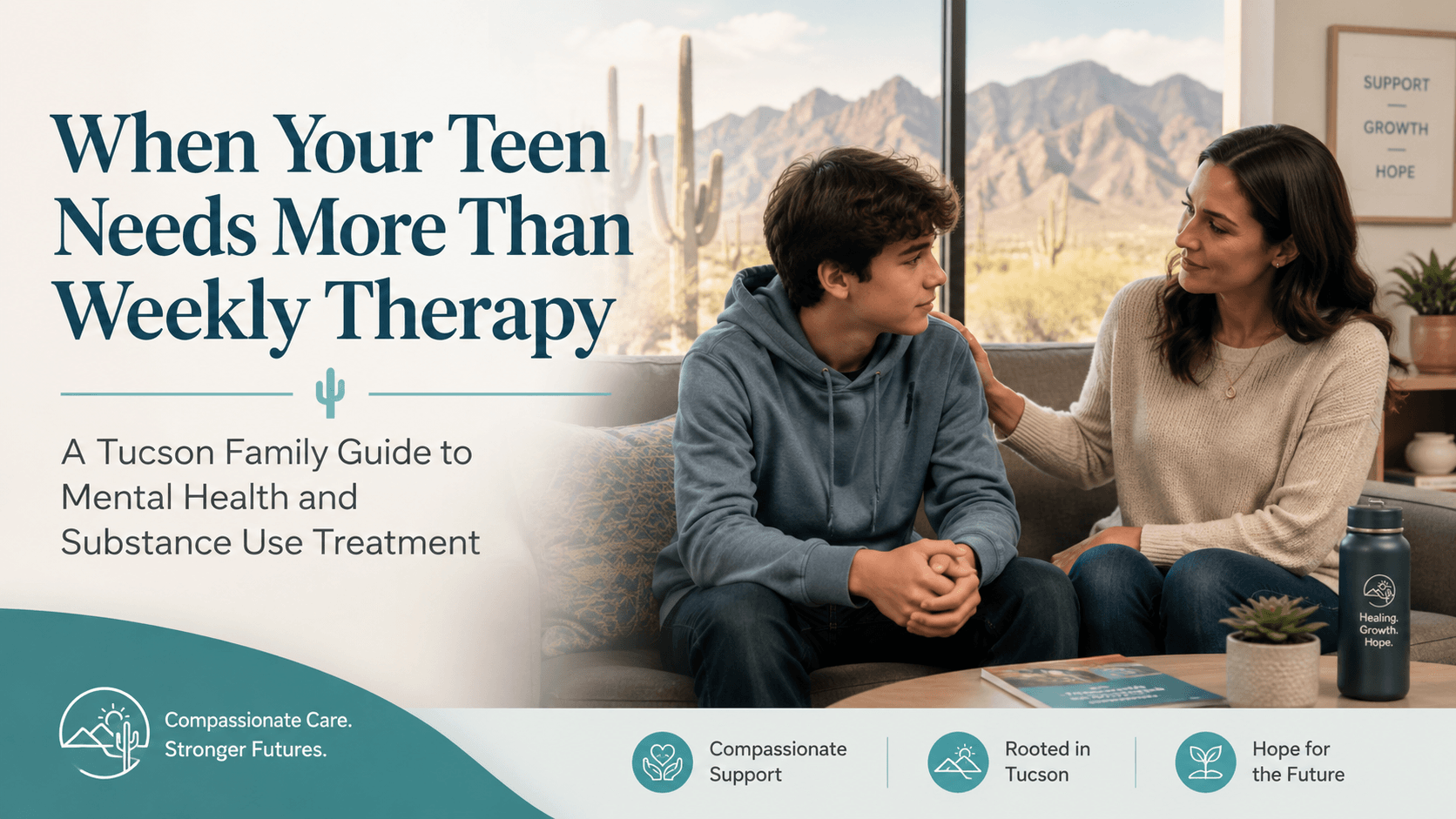
Artemis Adolescent Healing Center is a JCAHO-accredited teen rehab program in Tucson serving adolescents and their families. The center provides specialized care for teens facing substance use and mental health challenges, including alcohol and drug addiction, opioid and fentanyl dependence, depression, trauma and PTSD, eating disorders, and self-harm, as well as dual diagnosis treatment for co-occurring disorders. Artemis offers a full continuum of care spanning inpatient residential treatment, partial hospitalization (PHP), intensive outpatient (IOP), and standard outpatient programs. Using individualized, trauma-informed, evidence-based approaches with strong family involvement, Artemis accepts both substance-use and mental-health-primary clients and works with most major insurance carriers. artemisazartemisaz
6599 N Oracle Rd, Suite B, Tucson, AZ 85704
Contact: (520) 614-8647
https://artemisaz.com/
————————————
CODAC Health, Recovery & Wellness
CODAC Health, Recovery & Wellness provides substance use treatment, mental health care, primary care, and recovery support for adults in Tucson. Their CODAC at 380 location is focused on drug and alcohol treatment, including support for opioid and fentanyl use. CODAC offers assessment, counseling, medication-assisted treatment, peer support, wellness services, and care planning. New clients seeking drug or alcohol treatment can access intake support at the Fort Lowell location.
380 E. Ft. Lowell Road, Tucson, AZ 85705
Contact: (520) 202-1786
www.codac.org/services/substance-use-treatment
————————————
Community Medical Services – Tucson Park Avenue
Community Medical Services provides outpatient opioid use disorder treatment for people seeking recovery from opioid, heroin, or fentanyl addiction. The Park Avenue clinic offers medication-assisted treatment, counseling, and peer support in a structured outpatient setting. Their care model focuses on helping clients stabilize, stay connected to treatment, and move forward with recovery support.
3720 S Park Avenue, Suite 601, Tucson, AZ 85713
Contact: (520) 485-3200
communitymedicalservices.org/locations/addiction-treatment-tucson-arizona-park
————————————
Community Medical Services – Tucson Broadway
Community Medical Services on Broadway offers treatment for opioid use disorder through medication-assisted treatment, counseling, and peer support. This Tucson clinic supports people affected by opioid and fentanyl addiction in a judgment-free outpatient setting. Their services are designed to help clients begin treatment quickly, receive ongoing recovery support, and work toward long-term stability.
6802 E Broadway Boulevard, Tucson, AZ 85710
Contact: (520) 314-1400
communitymedicalservices.org/locations/addiction-treatment-tucson-arizona-broadway
————————————
Community Medical Services – Northwest Tucson
Community Medical Services Northwest Tucson provides outpatient opioid addiction treatment on West Orange Grove Road. The clinic offers medication-assisted treatment, counseling, and peer support for people dealing with opioid use disorder, including heroin and fentanyl use. Their program is designed for same-day access, ongoing clinical support, and recovery-focused care.
2001 W Orange Grove Road, Suite 414, Tucson, AZ 85704
Contact: (520) 775-3500
communitymedicalservices.org/locations/addiction-treatment-tucson-arizona-northwest
————————————
COPE Community Services – Northwest Integrated Care Clinic
COPE Community Services provides behavioral health and substance use treatment through integrated care clinics in Tucson. The Northwest Integrated Care Clinic is a Certified Community Behavioral Health Center serving adults and youth. Services at this location include mental health treatment, substance use treatment, primary care, a methadone clinic, and pharmacy support.
5840 N. La Cholla Blvd, Tucson, AZ 85741
Contact: (520) 498-3900
copecommunityservices.org/clinics-locations
————————————
COPE Community Services – La Cholla Integrated Care Clinic
COPE’s La Cholla Integrated Care Clinic offers mental health and substance use treatment in Tucson, along with primary care and onsite pharmacy support. The clinic is part of COPE’s integrated care model, which helps clients address behavioral health, substance use, and physical health needs together. This location can be a useful resource for people looking for outpatient recovery and behavioral health support.
1501 W. Commerce Court, Tucson, AZ 85746
Contact: (520) 741-3180
copecommunityservices.org/clinics-locations
————————————
Cottonwood Tucson
Cottonwood Tucson is an inpatient and outpatient treatment center for substance use disorders, mental health concerns, and co-occurring conditions. Their programs include residential treatment, medical detox, outpatient services, veterans programming, family support, and relapse prevention. Cottonwood Tucson focuses on whole-person recovery, helping clients address addiction, emotional health, trauma, and long-term wellness needs.
4110 West Sweetwater Drive, Tucson, AZ 85745
Contact: (888) 727-0441
————————————
Sierra Tucson
Sierra Tucson is a residential and outpatient treatment center for adults seeking help with drug and alcohol addiction, mental health concerns, trauma-related issues, mood and anxiety disorders, and co-occurring conditions. Located on a large treatment campus near Tucson, Sierra Tucson provides integrative care, clinical treatment, therapy, and continuing recovery support for adults of all genders.
39580 S Lago del Oro Parkway, Tucson, AZ 85739
Contact: (855) 578-0241
————————————
Sonora Behavioral Health Hospital
Sonora Behavioral Health Hospital provides inpatient and outpatient behavioral health treatment for children, adolescents, and adults in Tucson. Their services include crisis stabilization, inpatient hospitalization, partial hospitalization, intensive outpatient programs, telehealth outpatient care, and treatment for mental health and substance use concerns. Sonora’s outpatient location is on East Broadway, while the hospital location is on North Corona Road.
6050 North Corona Road, Tucson, AZ 85704
Contact: (888) 374-4167
————————————
Palo Verde Behavioral Health
Palo Verde Behavioral Health is a Tucson behavioral health facility located near Tucson Medical Center. They provide psychiatric and behavioral health services for children, adolescents, and adults, including care for anxiety, depression, substance use, and related behavioral health concerns. Their programs include inpatient services and outpatient support for people who need structured mental health or addiction-related treatment.
2695 North Craycroft Road, Tucson, AZ 85712
Contact: (520) 322-2888
————————————
America’s Rehab Campuses
America’s Rehab Campuses provides drug and alcohol treatment in Tucson for people dealing with substance use and co-occurring behavioral health concerns. Their treatment programs include medical detox, inpatient rehab, partial hospitalization, intensive outpatient programming, and outpatient rehab. They also provide 24/7 admissions support and transportation assistance in several Arizona counties, including Pima County.
6944 E Tanque Verde Road, Tucson, AZ 85715
Contact: (520) 526-1000
————————————
Recovery In Motion
Recovery In Motion provides addiction and mental health treatment in Tucson. Their team supports admissions, scheduling, insurance questions, and care planning for people seeking help with substance use or co-occurring behavioral health needs. Services include outpatient recovery support, therapy, psychiatric evaluation, medication management, family support, and telehealth options when eligible.
3655 E. 2nd Street, Tucson, AZ 85716
Contact: (866) 418-1070
Alcoholics Anonymous – Tucson Central Office
Alcoholics Anonymous in Tucson provides peer-led recovery meetings for people who want help with alcohol recovery. The Tucson Central Office supports AA meetings throughout Pima County/District 11 and keeps an updated meeting finder for local groups. Meetings include open, closed, newcomer, men’s, women’s, Spanish-speaking, LGBTQ+, online, Big Book, discussion, speaker, and meditation formats.
Address:
1920 E Spring Street, Tucson, AZ 85719
Contact:
📞 (520) 624-4183
✉️ Email: in**@******on.org
Special Meetings:
• Women’s AA meetings
• Men’s AA meetings
• Spanish-speaking AA meetings
• LGBTQ+ meetings
• Online and in-person meetings
————————————
Southeastern Arizona Area of Narcotics Anonymous
Narcotics Anonymous in Southeastern Arizona provides peer-led recovery meetings for people seeking support from drug addiction. NA meetings are based on shared experience, mutual support, and the desire to stop using. The Tucson-area NA website provides an updated meeting list for in-person and virtual meetings, along with a statewide NA help line for meeting information and recovery support.
Address:
SEAZNA, P.O. Box 44081, Tucson, AZ 85733
Contact:
📞 1-844-991-AZNA (2962)
✉️ Email: we********@******on.org
Special Meetings:
• In-person NA meetings
• Virtual NA meetings
• Open recovery meetings
• Morning recovery meetings
————————————
Southern Arizona Al-Anon and Alateen
Southern Arizona Al-Anon and Alateen supports families and friends affected by someone else’s drinking. These meetings give loved ones a place to share experience, strength, and hope while learning healthier ways to cope. Al-Anon is a peer-support fellowship, not a treatment center, and local meeting lists include in-person, online, and district-based meeting options across Southern Arizona.
Address:
P.O. Box 44003, Tucson, AZ 85733
Contact:
📞 (520) 323-2229
Special Meetings:
• Family and friends support meetings
• Online meetings
• District meeting lists
• Alateen-related resources
————————————
NAMI Southern Arizona
NAMI Southern Arizona provides free mental health support, education, and advocacy for people affected by mental illness. Their support groups include options for individuals living with mental health conditions as well as family members and friends. NAMI Southern Arizona offers both Zoom and in-person support groups and serves the Tucson and Southern Arizona community.
Address:
6122 E. 22nd Street, Tucson, AZ 85711
Contact:
📞 (520) 622-5582
🌐 www.namisa.org/support-groups/
Special Meetings:
• NAMI Connection Recovery Support Groups
• NAMI Family Support Groups
• In-person support groups
• Zoom support groups
————————————
SMART Recovery – Tucson
SMART Recovery offers free support meetings for adults working on recovery from addictive behaviors. The program uses a secular, skills-based approach focused on building motivation, coping with urges, managing thoughts and feelings, and creating a balanced life. The Tucson SMART Recovery meeting is listed through the official SMART Recovery meeting directory.
Address:
Pima Community College Northwest Campus, Building G, Room G102
7600 N. Shannon Road, Tucson, AZ 85709-7200
Contact:
📞 (520) 991-4962
🌐 www.smartrecovery.org/meeting
Special Meetings:
• Adult SMART Recovery meeting
• 4-Point Recovery program
• Free in-person support meeting
• English-language meeting
————————————
Cocaine Anonymous – Tucson
Cocaine Anonymous Tucson is a peer-led fellowship for people seeking recovery from addiction. Members share experience, strength, and hope to help one another stay sober and build long-term recovery. CA Tucson provides a 24/7 helpline answered by recovered members who can help people find a meeting or talk with someone for support.
Address:
Meeting locations vary across Tucson. Use the official CA Tucson website for current meeting locations.
Contact:
📞 (520) 326-2211
✉️ Email: tu**************@***il.com
Special Meetings:
• In-person CA meetings
• Hybrid meeting options
• Young people’s recovery meetings
• Big Book recovery meetings
————————————
Celebrate Recovery – Zion City Tucson
Celebrate Recovery at Zion City is a faith-based recovery support group for people working through hurts, habits, and hang-ups. The program includes worship, recovery principles, and smaller gender-specific breakout groups. It supports people dealing with addiction, compulsive behaviors, grief, co-dependency, anger, and other personal life challenges in a supportive recovery setting.
Address:
2561 W. Ruthrauff Rd, Tucson, AZ 85705
Contact:
📞 (520) 293-6386
🌐 www.zioncity.me/celebrate-recovery
Special Meetings:
• Tuesday evening recovery meeting
• Gender-specific breakout groups
• Faith-based recovery support
• Support for addiction, grief, co-dependency, and life challenges
Gospel Rescue Mission Tucson
Gospel Rescue Mission is a Christ-centered nonprofit serving people in Tucson through emergency shelter, addiction recovery, workforce development, meals, basic needs, and housing support. Their faith-based recovery program helps men and women address addiction through accountability, counseling, life-skills development, supportive community, and spiritual care. They also provide intake support for people who need shelter, recovery help, meals, showers, clothing, and next-step guidance.
4550 S. Palo Verde Rd., Tucson, AZ 85714
Phone: (520) 740-1501
————————————
The Salvation Army Tucson Adult Rehabilitation Center
The Salvation Army Tucson Adult Rehabilitation Center provides long-term, faith-based residential recovery support for people dealing with substance abuse and other life challenges. The program includes spiritual direction, work therapy, counseling support, structured daily living, and opportunities for personal restoration. Their model focuses on helping participants rebuild self-worth, develop discipline, and return to the community with stronger life skills.
1002 N. Main Avenue, Tucson, AZ 85705
Phone: (520) 441-5071
www.salvationarmytucson.org/tucson-adult-rehabilitation-center
————————————
Teen Challenge of Arizona – Tucson Men’s Center
Teen Challenge of Arizona’s Tucson Men’s Center is a Christian faith-based residential recovery program for adult men. The program helps men begin recovery from addiction and other life-controlling problems through discipleship, classroom studies, mentoring, structure, life-skills development, and spiritual growth. The Tucson center is part of Teen Challenge of Arizona’s statewide residential recovery network.
2637 N. Oracle Rd., Tucson, AZ 85703
Phone: (520) 403-9884
Email: tu**********@**az.org
————————————
Calvary Tucson Life Recovery Groups
Calvary Tucson Life Recovery Groups are Christ-centered recovery groups for people seeking help with drug and alcohol addiction. The groups support recovery through fellowship, prayer, Bible study, weekly support meetings, sponsorship information, accountability partnering, detox information, treatment and rehab center information, and Life Recovery Bible studies. Calvary Tucson offers Life Recovery support at both East and West Campus locations.
East Campus:
8711 E Speedway Blvd, Tucson, AZ 85710
Phone: (520) 272-0387
West Campus:
5170 S Julian Dr, Tucson, AZ 85706
Phone: (520) 370-6530
www.calvarytucson.com/ministries/life-recovery-groups
————————————
Celebrate Recovery – Zion City Tucson
Celebrate Recovery at Zion City is a faith-based recovery support group for people working through hurts, habits, and hang-ups. The group uses biblical recovery principles and provides a safe place for people to share experiences, strengths, and hope. Meetings include worship and smaller gender-specific breakout groups focused on issues such as chemical addiction, food addiction, anger, co-dependency, grief, abuse recovery, and other personal life challenges.
2561 W. Ruthrauff Rd., Tucson, AZ 85705
Phone: (520) 293-6386
www.zioncity.me/celebrate-recovery
————————————
Celebrate Recovery – Grace to the Nations
Celebrate Recovery at Grace to the Nations is a biblical recovery program for people seeking healing from hurts, hang-ups, habits, addiction, or the effects of another person’s addiction. The program focuses on God’s healing power through shared struggles and victories, the 12 steps, and the 8 recovery principles. It welcomes people in recovery, people affected by addiction, believers, non-believers, churched, and non-churched participants.
6180 E Pima St., Tucson, AZ 85712
Phone: (520) 360-8126
Email: ce***************@**tn.org
www.gttn.org/celebraterecovery
————————————
Celebrate Recovery – Tucson Central Church of the Nazarene
Celebrate Recovery at Tucson Central Church of the Nazarene is a Christ-centered 12-step recovery program for people seeking freedom from addiction, compulsive behaviors, anxiety, co-dependency, and other hurts, habits, and hang-ups. The program uses Christian recovery principles and community support to help people celebrate progress, build accountability, and continue long-term healing.
404 S. Columbus Blvd., Tucson, AZ 85711
Phone: (520) 484-4304
Email: tu*************@***il.com
www.tucsoncentral.org/celebrate-recovery
SAMHSA- Harm Reduction Framework (Federal Policy)
-SAMHSA defines harm reduction as a practical and transformative approach that incorporates community-driven public health strategies — including prevention, risk reduction, and health promotion — to empower PWUD and their families with the choice to live healthier, self-directed, and purpose-filled lives. Harm reduction centers the lived and living experience of PWUD, especially those in underserved communities, in these strategies and the practices that flow from them.
Getting treatment for problem drinking without giving up alcohol
-An article highlighting decreased alcohol with the help of therapeutic communication
-Short video; intro Harm Reduction
-pubmed article explaining how language effects stigma
-Clinicians and their language; Journal of Medicine
The Rise and Fall of the DARE program
-explains the dichotomy of the DARE program;…”There were clear, inherent problems with setting up cops as drug experts and educators, preaching abstinence-only and expanding the War on Drugs into the classroom.”
Treatment Centers
- 6599 N Oracle Rd, Suite B, Tucson, AZ 85704
Artemis Adolescent Healing Center is a JCAHO-accredited teen rehab located in Tucson, Arizona, providing specialized
- 3655 E. 2nd St., Tucson, AZ 85716
Recovery In Motion provides drug, alcohol, and mental health treatment in Tucson. Their programs support
- 6944 E Tanque Verde Rd., Tucson, AZ 85715
America’s Rehab Campuses provides drug and alcohol treatment in Tucson with multiple levels of care,
- 2695 N. Craycroft Rd., Tucson, AZ 85712
Palo Verde Behavioral Health provides inpatient and outpatient behavioral health treatment in Tucson for adolescents
- Inpatient Hospital: 6050 N. Corona Rd., Tucson, AZ 85704
Sonora Behavioral Health Hospital provides inpatient and outpatient treatment in Tucson for mental health concerns,
- 39580 S. Lago del Oro Parkway, Tucson, AZ 85739
Sierra Tucson provides residential and outpatient treatment near Tucson for adults struggling with addiction, trauma,
- 4110 West Sweetwater Drive, Tucson, AZ 85745
Cottonwood Tucson provides addiction and mental health treatment near Tucson with residential care, medical detox,
- 5840 N. La Cholla Blvd., Tucson, AZ 85741
COPE Community Services – Northwest Integrated Care Clinic provides outpatient mental health and substance use
- 2001 W Orange Grove Road, Suite 414, Tucson, AZ 85704
Community Medical Services – Northwest Tucson provides outpatient opioid use disorder treatment in Tucson. The
- 6802 E Broadway Boulevard, Tucson, AZ 85710
Community Medical Services – Tucson Broadway provides outpatient opioid use disorder treatment in Tucson. The
- 3720 S Park Avenue, Suite 601, Tucson, AZ 85713
Community Medical Services – Tucson Park Avenue provides outpatient opioid use disorder treatment in Tucson.
- 380 E. Ft. Lowell Rd., Tucson, AZ 85705
CODAC Health, Recovery & Wellness provides outpatient drug and alcohol treatment in Tucson, including support